Sección:
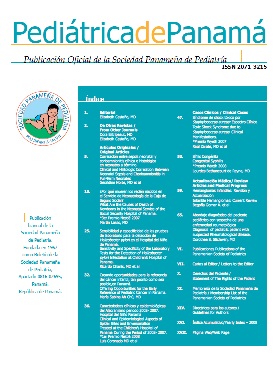
Editorial
Publicado:
2025-12-31
Continuing medical education is an ethical imperative and a key determinant of the quality of pediatric care in Panama, both in outpatient settings and hospitals. Current challenges in child and adolescent health are substantial and demand clinical decisions grounded in the best available evidence. Globally, mortality among children under five years of age remains high, with nearly five million deaths annually, almost half occurring during the neonatal period. Prematurity continues to be a leading cause of preventable death and disability in the region. In parallel, antimicrobial resistance caused more than 1.27 million deaths in 2019, underscoring the urgent need to strengthen rational antibiotic use at all levels of care.
Vaccination coverage in the Americas declined during the COVID-19 pandemic, with uneven recovery, increasing the risk of re-emergence of vaccine-preventable diseases. This has already been reflected in measles outbreaks and local cases of pertussis, including in Indigenous regions of Panama. At the same time, childhood overweight affects approximately one in three school-aged children in several countries in the region, threatening the future cardiovascular and metabolic health of the population. In Panama, as in other Central American countries, persistent inequities exist between urban areas and Indigenous territories in indicators such as chronic malnutrition, timely access to health services, and infant mortality. In this context, continuing medical education must also be understood as a commitment to health equity.
The outpatient clinic is a privileged setting for prevention, education, and early detection. An up-to-date pediatrician optimizes immunization schedules, performs comprehensive screening, manages common conditions using current clinical guidelines, prescribes antibiotics based on probability and minimum effective duration, and addresses childhood overweight through family-centered, evidence-based interventions, while incorporating telemedicine and digital tools for follow-up. Finally, there is a pressing need to strengthen local research to generate context-specific data. Panamanian children deserve clinical decisions informed by evidence rather than inertia, supported by a pediatric workforce committed to excellence, equity, and empathy.
Derechos autoriales y de reproducibilidad. La Revista Pediátrica de Panamá es un ente académico, sin fines de lucro, que forma parte de la Sociedad Panameña de Pediatría. Sus publicaciones son de tipo gratuito, para uso individual y académico. El autor, al publicar en la Revista otorga sus derechos permanente para que su contenido sea editado por la Sociedad y distribuido Infomedic International bajo la Licencia de uso de distribución. Las polítcas de distribución dependerán del tipo de envío seleccionado por el autor.

Sociedad Pediátrica de Panamá -Directrices para autores - Reglamento del Comité Editorial - Derechos de Reproducción - Comité Editorial
Derechos de reproducción de Sociedad Pediatrica de Panama & Infomedic International Reservados. Electronic ISSN: 2710-7663, Print: 2071-3215. El contenido de este sitio esta dirigido para profesionales de la salud.